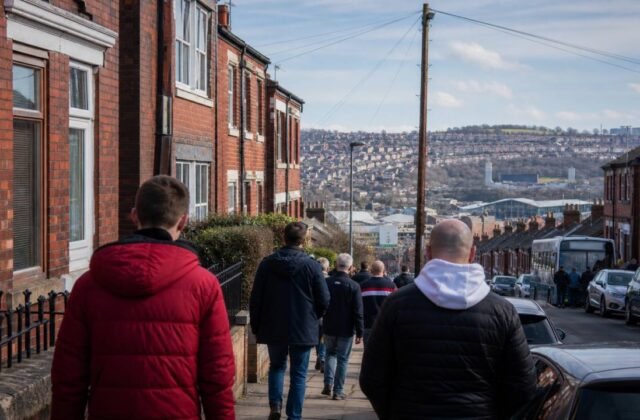
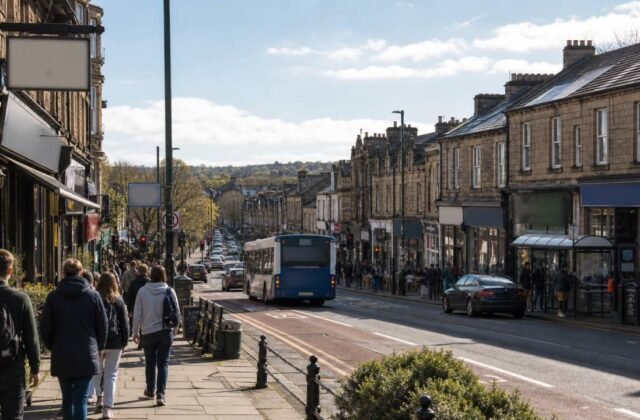
The week of 24 to 29 June 2007 was the wettest June week in Sheffield’s recorded history. The cumulative rainfall – over 100mm in some parts of South Yorkshire in a single twenty-four-hour period – fell on ground that was already saturated from a wet spring. The River Don, which drains a catchment area extending from the moorland above Sheffield through the valley to the east, ran out of capacity and out of its banks.
What Happened
The flooding began in the early hours of 25 June. By mid-morning, large parts of the Don Valley east of the city centre were underwater. Meadowhall shopping centre, which sits in the flood plain of the Don at its junction with the River Rother, was inundated. Hundreds of shoppers and staff were trapped in the upper levels of the complex for hours as the water rose. The nearby Meadowhall tram stop was submerged. The M1 motorway near Tinsley was closed. The road network across east Sheffield and into Rotherham was largely impassable.
The Lower Don Valley – the area of former steelworks that had been the industrial heartland of Sheffield and was in various stages of regeneration and reuse – flooded extensively. The Kelham Island area saw water in the streets. Homes in Hillsborough, Oughtibridge, and the river corridor communities to the north of the city flooded as the Don exceeded its banks upstream as well. The damage to residential properties across Sheffield was measured in the thousands.
Ulley Reservoir
The crisis that generated the most fear during the flood event was not in Sheffield itself but at Ulley reservoir near Rotherham. The reservoir, an eighteenth-century structure built to supply water to the Sheffield Canal, was assessed during the flood as being at serious risk of structural failure due to seepage through the embankment. The M1 motorway was closed as a precaution. A breach would have sent a wall of water down the valley towards communities already dealing with the main flood. Engineering teams worked through the night to reduce the water level and stabilise the embankment. The reservoir held.
The near-miss at Ulley highlighted the condition of flood defence infrastructure across the region. Many of the structures managing water in South Yorkshire were old and had not been designed for the rainfall intensities that climate change was beginning to produce. The post-flood review identified numerous vulnerabilities and prompted investment in flood defences that was significant but, critics argued, not commensurate with the scale of the risk.
The Aftermath
The clean-up took months. The total damage across South Yorkshire from the 2007 floods was estimated at over £1 billion. Individual households faced months of living in temporary accommodation while their homes were dried out and repaired. The insurance settlements were contested in many cases. Community organisations dealing with the aftermath reported that the psychological effects – the anxiety triggered by rainfall, the loss of security in one’s home, the disruption to ordinary life – persisted long after the physical damage was repaired.
Sheffield’s flood defences have been improved since 2007, with significant work on the Don corridor including raised flood walls and improved drainage capacity. The work is ongoing. The 2007 flood was a warning about what the combination of aging infrastructure, dense urban development in flood plains, and changing rainfall patterns produces when they coincide. Sheffield took the warning seriously. Whether the response has been sufficient is a question the next major flood event will answer.
Corrections
Spotted something wrong? Send a correction.