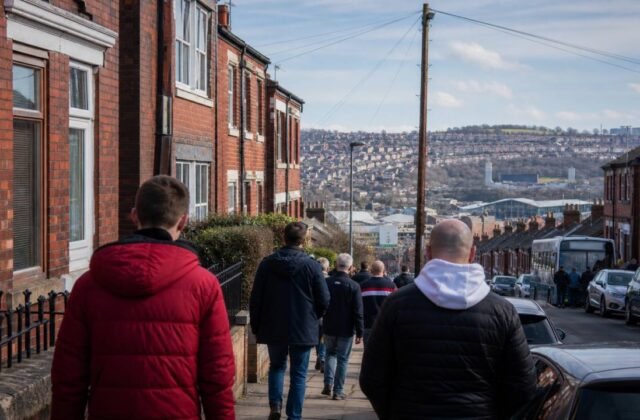
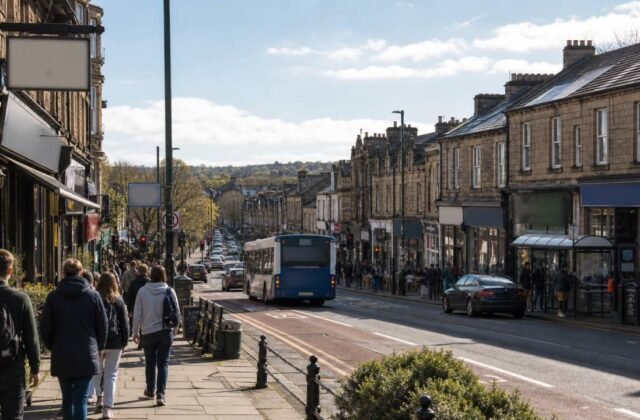
The Leadmill is on Leadmill Road, a five-minute walk from Sheffield railway station, in a former grain warehouse that has been a music and arts venue since 1980. It was not started as a student union in the formal sense – it was a community arts cooperative – but it served the function that a student union serves in cities where the universities’ own venues are not adequate for the live music scene that the student population generates. Sheffield’s art school and polytechnic communities needed somewhere. The Leadmill became that somewhere, and then became something larger than that.
The Beginning
The Leadmill was established in 1980 as a cooperative and community arts centre. The founding ethos was explicitly non-commercial: affordable space for artists, musicians, community groups, and the general public who could not access the more expensive venues in the city. The location, in a former industrial building on the edge of the city centre, was typical of the period: cheap space in a building that commerce had left behind, colonised by culture because culture was what could afford it.
The timing coincided with the moment when Sheffield was at the centre of a nationally significant music scene. The Human League, Cabaret Voltaire, Clock DVA, and the acts that would become Heaven 17 and ABC were all operating in Sheffield in 1980. The electronic post-punk sound that these bands were developing was specific to a city and a moment: the combination of cheap electronic instruments, the art school intellectual context of the Sheffield Polytechnic scene, and the post-industrial atmosphere of a city where the traditional industries were visibly collapsing provided both the material conditions and the emotional content for the music.
Forty Years of Programme
The list of bands who played the Leadmill in their early or middle periods covers a substantial portion of British independent music history from 1980 onward. Pulp played there through the years when they were working out who they were. R.E.M. played there in 1984. The Stone Roses played there. Oasis played there before they were Oasis. The venue’s capacity, around 900 at its larger configuration, put it in the range where bands on their way up could do something more than a pub gig and something less formal than a proper arena. The Leadmill was the size of venue where careers were made: too big to dismiss as a local show, small enough to watch without the mediation of a big screen.
The programming shifted over the decades as Sheffield’s music scene changed. The post-punk electronic era of the early 1980s gave way to indie, then to the Britpop period (which was kind to Sheffield, given Pulp’s trajectory), then to the broader independent scene of the 2000s. The Leadmill remained a constant through these changes, adjusting its booking policy without losing its identity as a venue where independent music was the priority.
The Ownership Dispute
In 2022, the Leadmill received notice from its landlord that the lease would not be renewed. The prospect of losing the venue prompted a significant public campaign, with musicians, cultural figures, and former patrons speaking out in support of the Leadmill against the landlord’s proposal to take over operation of the venue directly. The dispute became a national news story about the relationship between independent venues and property ownership. After a prolonged campaign, the Leadmill secured a new arrangement that allowed it to continue operating. The building remains. The venue remains. Whether the arrangement provides the security that forty years of music history deserves is a question that Sheffield’s cultural community continues to ask.
Corrections
Spotted something wrong? Send a correction.