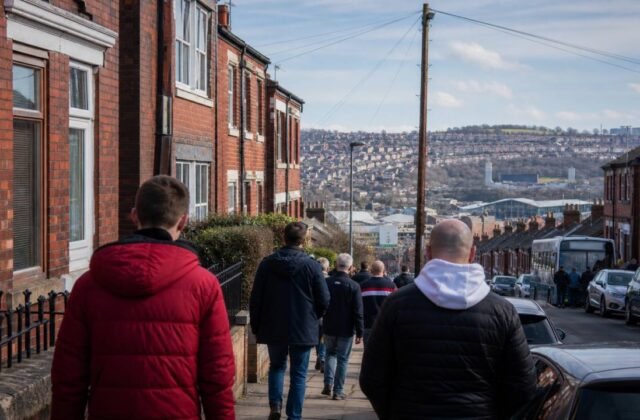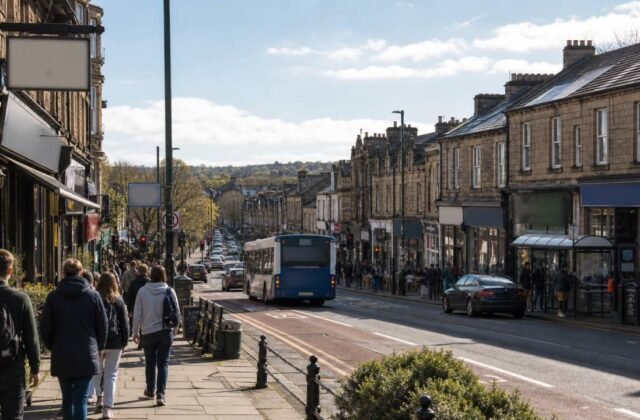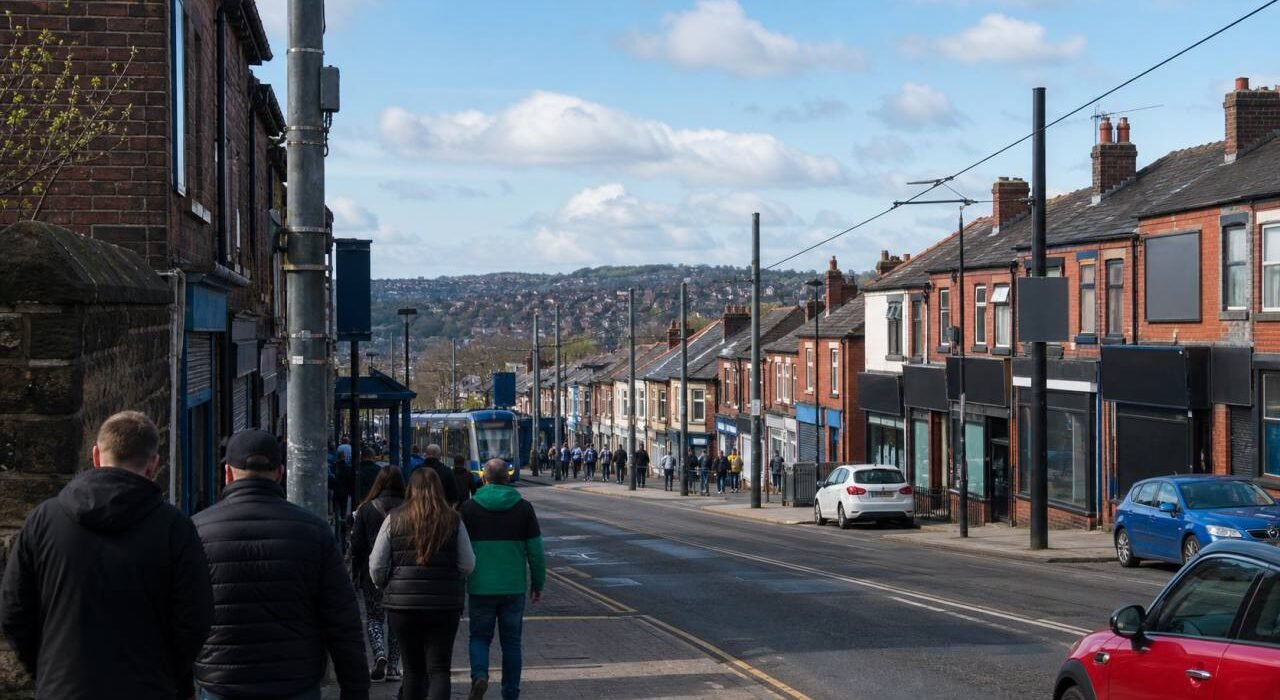
Tramlines Festival launched in 2009 across a network of Sheffield venues and outdoor spaces. The format was deliberately city-wide: stages in parks, in car parks, in the spaces between buildings, and in the established venues of the city centre. It was free. The ambition was to make a festival that was of Sheffield rather than merely in Sheffield – using the city’s existing character, its independent music culture, its geography, as the festival infrastructure.
The Free Years
The early Tramlines had a specific Sheffield quality that larger, more expensive festivals rarely capture. The stages at Ponderosa Park in Upperthorpe, at the Peace Gardens in the city centre, and in the gardens of Devonshire Quarter pubs were not festival spaces by design. They were Sheffield spaces that the festival borrowed and transformed for a weekend each July. The line-up policy – built on booking genuinely interesting independent and emerging acts alongside a handful of bigger names – produced bills that were consistently better value than the ticket price (which was zero) implied.
The atmosphere was democratic in the specific way that free public events are democratic: people who would not have chosen to attend a ticketed music festival found themselves at one, encountered music they liked, and returned. The Sheffield independent music community – the bands, the promoters, the venues, the audience that had been building since the days of the Boardwalk and before – was the core audience, but the format made it accessible beyond that core in a way that ticketed events cannot replicate.
The Transition to Hillsborough
The festival moved to a ticketed, consolidated format in 2013, shifting its main stage operations to Don Valley Stadium before eventually settling at Hillsborough Park in the north of the city. The reasons were partly financial – a free festival at scale is an expensive proposition to fund through sponsorship alone – and partly logistical. The multi-venue format had grown to a size where coordinating it across the city required resources that the organising team did not have.
Hillsborough Park is a good festival site. The space is large enough for the current scale of the event, the infrastructure works, and the location – connected by tram to the city centre and surrounded by the residential north Sheffield that includes some of the city’s most devoted music fans – is appropriate. The park has its own history: it hosted the 1912 Cup Final replay and various other significant events, and the Hillsborough neighbourhood is one of Sheffield’s most characteristic.
What Tramlines Is
Tramlines in its current form is a mainstream festival competing in the same market as the Vs and the Reading and Leeds of the world. The headline acts in recent years have been the acts that headline mainstream festivals. The independent Sheffield ethos that defined the early years is harder to identify on the main stage. It survives in the programming of the smaller stages and the fringe events, in the consistent effort by the organising team to maintain connections with the Sheffield music scene that started everything.
The festival has grown without leaving Sheffield behind, which is the thing that matters. It is organised by Sheffield people, it employs Sheffield people, it generates economic activity in Sheffield in ways that visiting festivals do not. The audiences are substantially Sheffield audiences – the demographic that grew up with Tramlines in its free phase, now paying for something that has become part of the city’s annual calendar. That continuity – between a free parks festival in 2009 and a ticketed Hillsborough event in 2025 – is what distinguishes Tramlines from the many festivals that started with similar intentions and either folded or lost the plot. Sheffield’s music culture is difficult to fake for long. Tramlines has not faked it.
Corrections
Spotted something wrong? Send a correction.