

The Crucible Theatre opened in 1971 on Tudor Square in Sheffield city centre. It was designed by the architect Tanya Moiseiwitsch and built as a thrust stage theatre – the audience on three sides of the performance space – which was a deliberate departure from the proscenium arch convention of most British theatres. The design made it intimate for live drama: nobody in the 980-seat auditorium is more than seventeen rows from the stage. It also, somewhat incidentally, turned out to be an excellent venue for televised snooker.
Why Sheffield
The World Snooker Championship moved to the Crucible in 1977 under the promotion of Mike Watterson, a Sheffield businessman who believed that snooker was ready for a permanent prestige home and that the Crucible was the right place. The previous championships had moved between venues – the format had not established a settled identity. Watterson’s deal with the BBC and the Sheffield Theatres gave the tournament both a fixed address and the television infrastructure it needed to reach the mass audience that the sport was about to acquire.
The timing was fortunate. Snooker’s television moment – the arrival of colour broadcasting that made the coloured balls visible in a way black-and-white never had – coincided with the Crucible era. The BBC’s Pot Black programme had been building an audience since 1969; the World Championship at the Crucible became the annual prestige event that Pot Black had prepared viewers for. By the early 1980s, the tournament was one of the most watched events on British television. Steve Davis, who won the first of his six world titles in 1981, became one of the most recognisable sportspeople in the country. That the tournament was in Sheffield was, at this point, a fact rather than a marketing choice.
The Crucible Curse
The Crucible Curse is the widely observed phenomenon by which no player wins the World Championship at their first appearance at the venue. The curse has been cited for decades and has, with very occasional exceptions, held remarkably well. The psychological explanation – the pressure of performing in the most famous venue in the sport for the first time at the biggest occasion in the sport – seems adequate without requiring any supernatural element. The Crucible is a pressure environment. The closeness of the crowd, the silence during shots, the long sessions that can run to midnight – it is a specific and demanding context.
The theatre-in-the-round design that Moiseiwitsch created for drama is what gives the tournament its particular atmosphere. The players are not separated from the audience by the conventional distance of a proscenium stage. They are surrounded. The crowd is present in a way that creates an intimacy unusual in professional sport. When Ronnie O’Sullivan is on a maximum break, the silence in the Crucible is the silence of a room of people collectively holding their breath, not the silence of an empty arena waiting to be filled by noise.
Sheffield and Snooker
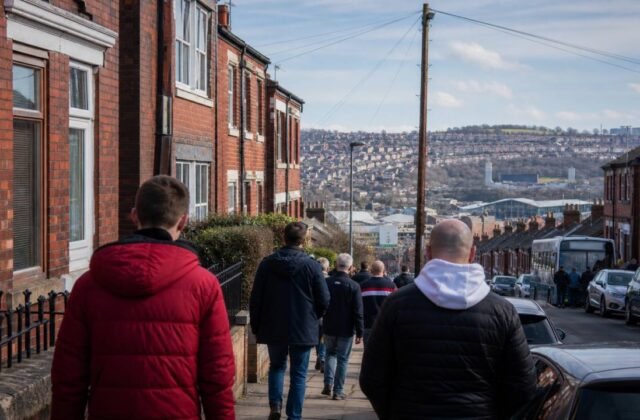
The tournament has brought Sheffield into the living rooms of snooker fans globally for nearly fifty years. The city has embraced it with genuine warmth. The two weeks of the championship in April and May generate significant economic activity; the hotels, bars, and restaurants around Tudor Square are noticeably busier. But the relationship is more than transactional. The Crucible is a Sheffield building doing what Sheffield buildings do – housing a major cultural event without making a fuss about it, letting the thing itself be the point.
Corrections
Spotted something wrong? Send a correction.