Kelham Island: Sheffield’s Industrial Quarter Becomes Its Hippest Neighbourhood
How Sheffield's most industrial neighbourhood became its most creative - without losing its soul.
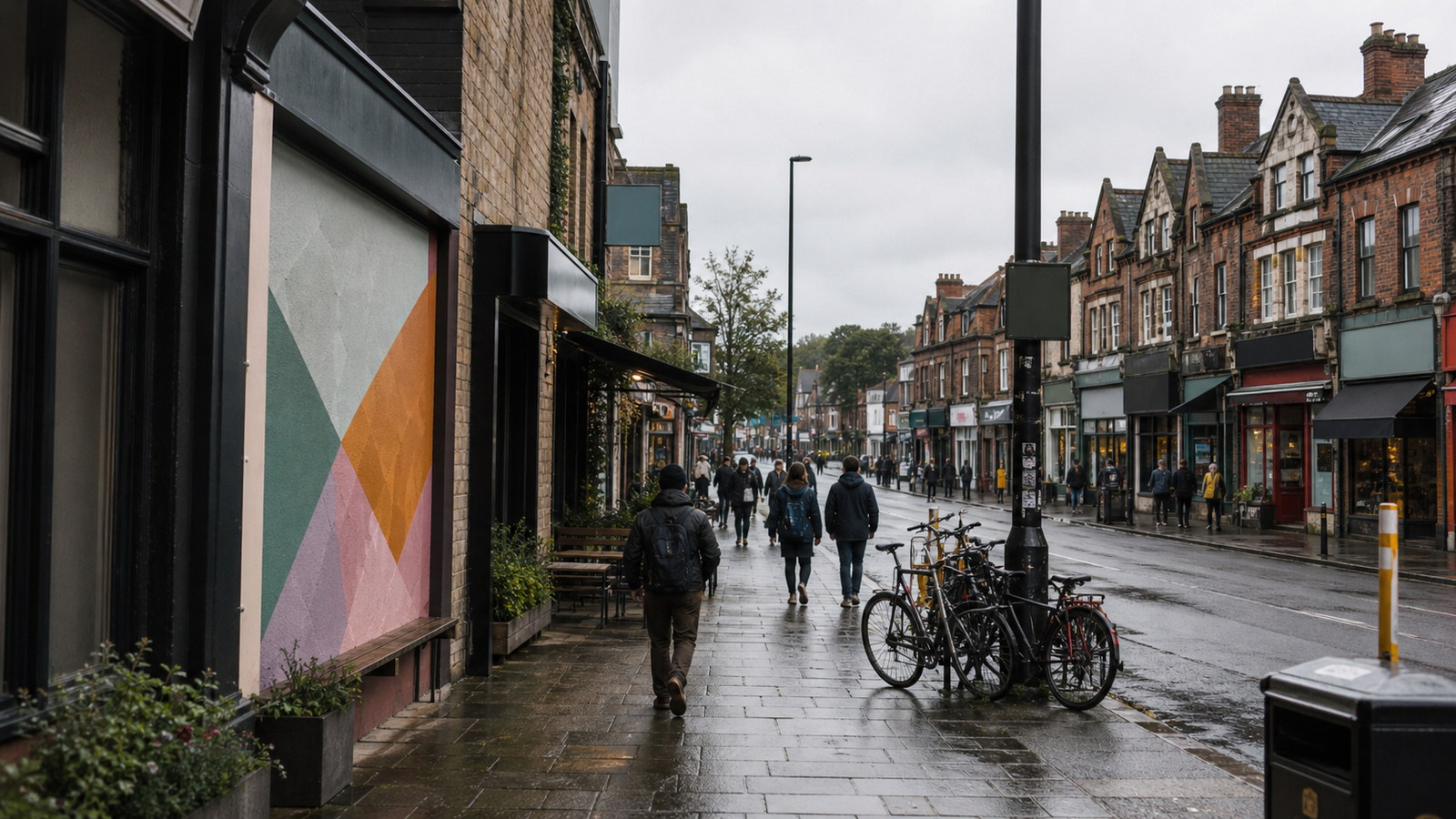
There’s a particular kind of urban transformation that cities do badly – the sanitised regeneration project that replaces authentic character with artisanal coffee shops and glazed apartment blocks and calls the result a neighbourhood. Kelham Island is not that. The transformation of Sheffield’s former industrial heartland into the city’s most creative district has happened over two decades in a way that’s kept the grime under the fingernails of the place even as the cafes and taprooms have arrived.
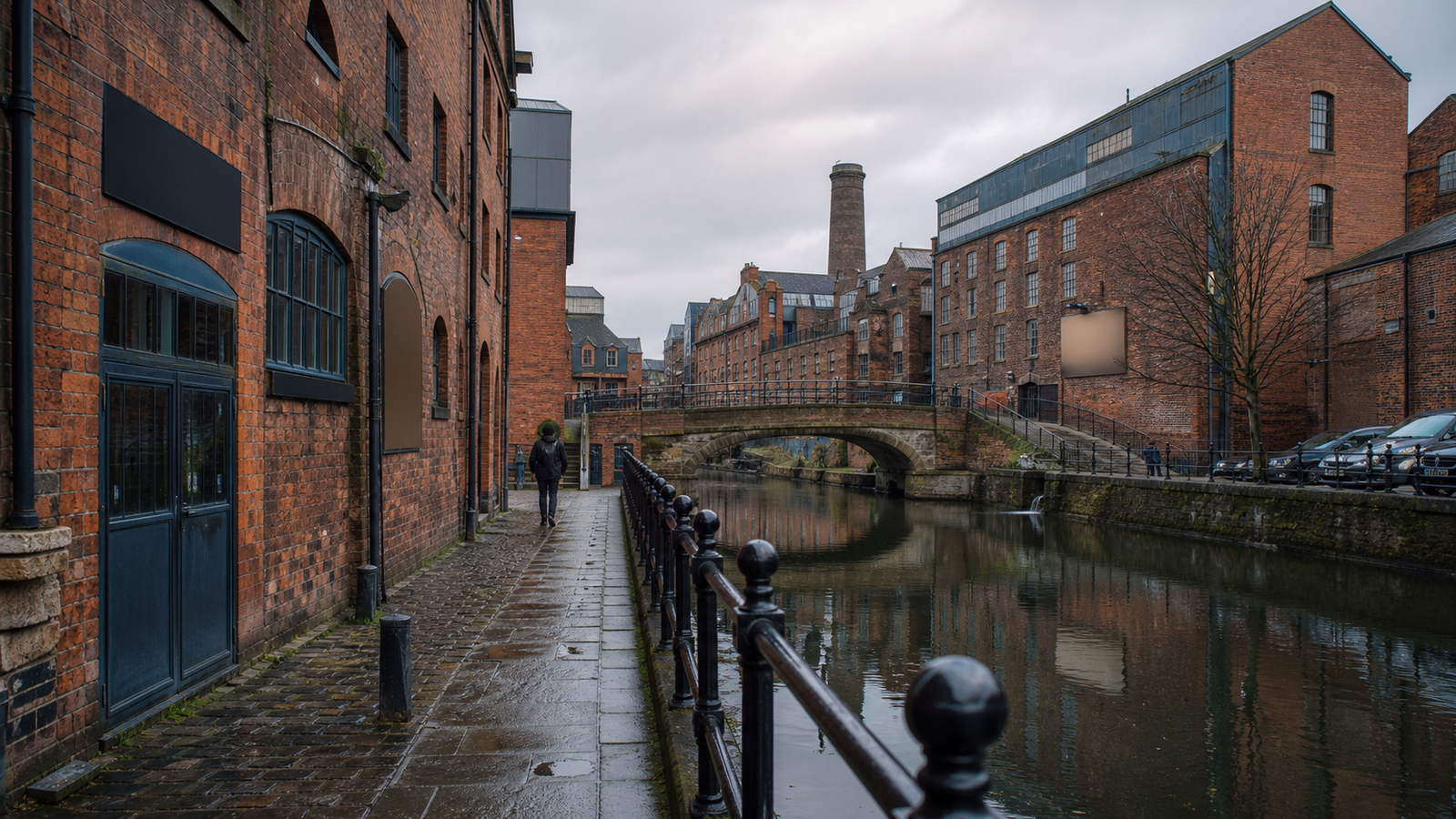
Kelham Island is not actually an island. It’s a peninsula formed by a man-made channel of the River Don, dug in the twelfth century to power the corn mills of Sheffield’s earliest industrial period. By the Victorian era it had become the concentrated core of Sheffield’s steel and cutlery trade – small workshops, grinding wheels, the clatter and heat of metal being shaped by hand and machine. The Kelham Island Museum, which opened in 1982 in a former generating station, preserves the evidence: working Victorian machinery, the massive River Don Engine, reconstructed craftsmen’s workshops. It’s one of the best industrial museums in Britain, and it sits in the middle of a neighbourhood that grew around the industry it commemorates.
The industrial collapse of the 1980s left Kelham emptied. The workshops closed, the grinding wheels stopped. The buildings didn’t come down – Sheffield didn’t have the money or the appetite for large-scale demolition, and some of the structures were too solid to shift economically. They sat empty, occasionally housing light industrial use, slowly acquiring the particular poetry of industrial vacancy: brick weathering, windows broken, dock weeds in the yard.
The creative colonisation began quietly in the 2000s. Artists, small businesses, and independent operators began taking the cheap warehouse space that nobody else wanted. Yellow Arch Studios, now one of Sheffield’s most important recording and rehearsal spaces, moved into a former industrial building on Granton Street. The Fat Cat pub on Alma Street had been here since 1981, a constant through the industrial decline, and served as a kind of cultural anchor through the empty years.
By the 2010s the trajectory was clear. Depot Bakery arrived. The Kelham Island Tavern continued winning CAMRA pub of the year. Street food traders and pop-ups began using the open yards. New apartment buildings began rising on the waterfront – controversial among the early adopters, inevitable in retrospect.
What Kelham Island has managed, imperfectly but recognisably, is continuity. The museum is still there. The Fat Cat is still there. The industrial aesthetic isn’t heritage fakery – it’s the actual fabric of buildings that were genuinely industrial. The craft beer culture that’s become Kelham’s primary public identity isn’t imposed from outside; it grew from the real ale tradition of Sheffield pubs that predates the craft trend by thirty years. The neighbourhood has changed from what it was. It hasn’t pretended to be something it isn’t.