Kelham Island: From Foundry District to Craft Beer Capital
Kelham Island was Sheffield's industrial heartland. The transformation into the city's most sought-after neighbourhood is one of the better regeneration stories in British cities.
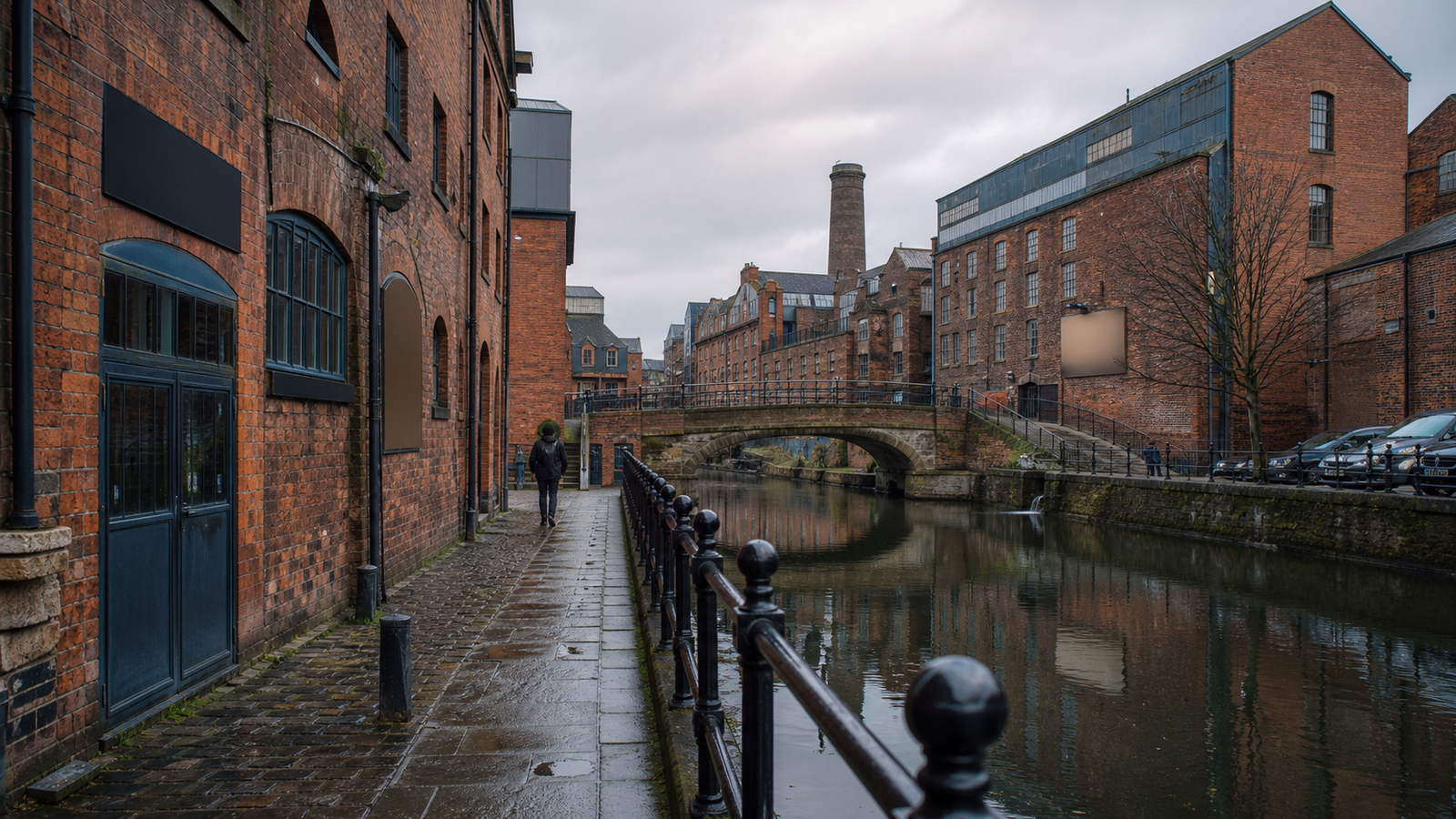
Kelham Island is not actually an island. It is a peninsula created by a mill race – an artificial channel cut in the twelfth century to divert water from the River Don to power the mills at Lady’s Bridge. The island designation stuck regardless. For most of the nineteenth and twentieth centuries, Kelham was one of the densest industrial areas in Sheffield: foundries, grinding wheels, small steel works, cutlery manufacturers, engineering firms of every description occupying every available inch of the district within walking distance of the city centre.
What It Was
The scale of industry in Kelham Island in its Victorian and Edwardian peak was extraordinary for the area of land involved. The Kelham Island Museum, which occupies a building on Alma Street that was itself a generating station for the tramway system, gives a sense of what the district looked like in operation. The River Don, which runs along the western edge of the area, powered the wheels; the island’s geography concentrated the industry in a way that made it unusually dense even by Sheffield standards.
By the 1980s and 1990s, the industrial fabric had thinned considerably. The structural changes in Sheffield’s economy – the collapse of the large steel works, the pressures on the small engineering sector – had left Kelham with empty buildings, underused sites, and a population of light industrial businesses that occupied old space without the investment to maintain it. The area was not derelict in the way that some post-industrial districts are derelict. It was marginal – useful enough that it hadn’t collapsed, not valuable enough that it attracted serious money.
The Transition
The transition began with the things that always begin regeneration in industrial districts: artists, small creative businesses, and the particular kind of entrepreneur who is attracted to cheap space and character. The Workstation on Paternoster Row, which opened in 1994 as a creative industries centre, was an early institutional anchor. The Fat Cat pub on Alma Street – a proper Sheffield ale house that had been there through the industrial years and stayed – gave the emerging community a social centre.
The Kelham Island Tavern, which opened in the 1990s and has since won CAMRA’s National Pub of the Year, became part of a craft beer geography that now extends across the island and the surrounding streets. Thornbridge, True North, and various smaller breweries established themselves in or around the area. The combination of independent bars, small restaurants, and the specific atmosphere of industrial buildings adapted for social use made Kelham the destination that Sheffield’s creative economy needed.
The Residential Turn
The residential development that followed – apartments in converted warehouses and purpose-built blocks along the riverside – transformed the population mix and the land values simultaneously. Kelham Island is now one of the most expensive residential postcodes in Sheffield. The people who moved in for the craft beer and the cheap studios have been joined by, and in some cases replaced by, the professionals and young couples who move to areas after the transformation has happened.
Whether this constitutes success depends on what you think regeneration is for. The area is physically better than it was: the buildings are maintained, the public realm is good, the economic activity is genuine. Whether it benefits the people who were there before, or the people in the city who most need investment in their neighbourhoods, is a different and harder question. Kelham Island is the best version of urban regeneration that the current economic model produces. Whether the current model is the right one is the conversation that Sheffield, like every other British city, keeps having without resolving.