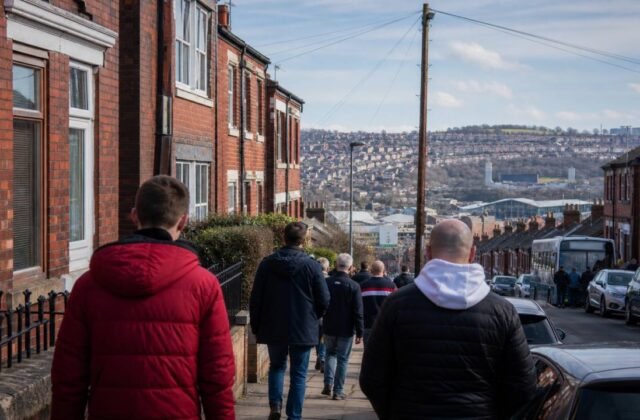
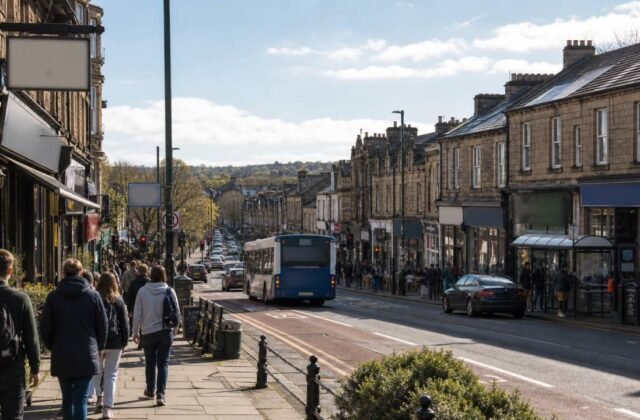
The story of how Arctic Monkeys broke has been told so many times that it has acquired mythological status. The truth is more specific and more interesting than the myth, and it starts in a semi-detached house in High Green, a suburb in the north of Sheffield where Alex Turner grew up and where the band first rehearsed.
The Demo CD
Arctic Monkeys formed in 2002. Turner, Jamie Cook, Andy Nicholson, and Matt Helders were school friends from the Stocksbridge and High Green area, playing in the kind of teenage band that forms in every city and mostly goes nowhere. What distinguished them, in retrospect, was the quality of the songs from very early on – the Sheffield street-level observation in the lyrics, the compressed energy of the playing – and the decision to distribute their music physically to their audience rather than waiting for the music industry to find them.
The demo CDs were pressed in small quantities and handed out free at gigs. The thinking – if it was thinking rather than instinct – was that the people at the shows were the right audience, and that asking them to pay for something unproven was less important than getting the music to them. The CDs were copied, shared, and passed between networks of Sheffield music fans. The Sheffield scene of the early 2000s – centred on venues like the Boardwalk and the Grapes, the Boardwalk having closed by then but its culture continuing – was small enough that word travelled quickly and large enough to generate genuine momentum.
The Internet
The demo material ended up online before the band had a label or any formal release strategy. This was 2004 and 2005, when the mechanism for this was early file-sharing networks and fan forums rather than streaming platforms. The uploads were not authorised by the band – the CDs were shared and the files were ripped and posted. The result was that Arctic Monkeys had a significant online following, and significant anticipation for a debut album, before they had signed to anyone.
Domino Records signed them in 2005. “I Bet You Look Good on the Dancefloor” was released in October 2005 and entered the UK charts at number one. “Whatever People Say I Am, That’s What I’m Not” was released in January 2006 and became the fastest-selling debut album in UK chart history at the time. The NME, which had been covering the band for over a year before either release, ran them on the cover with a level of hype that was unusual even by NME standards. The hype was, on this occasion, not wrong.
High Green and After
The High Green connection matters because it is the source of the specificity that distinguishes Arctic Monkeys from every other guitar band of their generation. The lyrics on the first two albums in particular – the nightclub doormen, the taxi ranks, the particular social geography of a Sheffield night out – are rooted in a place. Turner was writing about streets he knew because he had walked down them. The universality came from the specificity, which is how it always works when it works.
The band now operates on a scale that has long since left High Green behind. The third album, “Humbug”, recorded in the desert in California with Josh Homme, marked a deliberate step away from the Sheffield-specific. The subsequent albums have been international in sound and audience. The connection to Sheffield is heritage rather than present tense. But the heritage matters: Arctic Monkeys are what happened when Sheffield produced exactly the right band at exactly the right moment, and the city knows it, even if the band has moved on.
Corrections
Spotted something wrong? Send a correction.